To unclog a drain without damaging your pipes, first identify the blockage cause, such as hair, grease, or food particles. Gather essential tools: a plunger, drain snake, and rubber gloves. Start with boiling water, which can dissolve minor clogs. For tougher clogs, try using a mix of baking soda and vinegar, allowing it to fizz for 15-20 minutes before flushing with hot water. If needed, use a plunger or a drain snake—carefully, to avoid exerting excessive force on pipes. Implement regular maintenance, like hot water flushing, to prevent future clogs. Exploring these detailed methods guarantees protection and efficiency.
Key Takeaways
- Use boiling water carefully, ensuring no standing water and compatible pipes to dissolve minor clogs without damage. Employ a drain snake gently, rotating clockwise, to avoid excessive force that could harm pipes. Opt for a plunger to dislodge blockages using firm movements, ensuring a vacuum seal for effectiveness. Apply a baking soda and vinegar mixture for eco-friendly unclogging, followed by a hot water flush. Regularly flush drains with hot water to maintain clear pipes and prevent residue build-up.
Identify the Cause
A blocked drain can be both a nuisance and a health hazard, making it essential to identify the underlying cause promptly. Understanding the common culprits of drain blockages is fundamental for effective resolution.
Hair, grease, and food particles are frequent offenders in household drains. These materials can accumulate over time, creating stubborn clogs that obstruct water flow. In bathroom sinks and showers, hair mixed with soap scum often forms dense tangles, while kitchen drains are prone to grease and food debris accumulation.
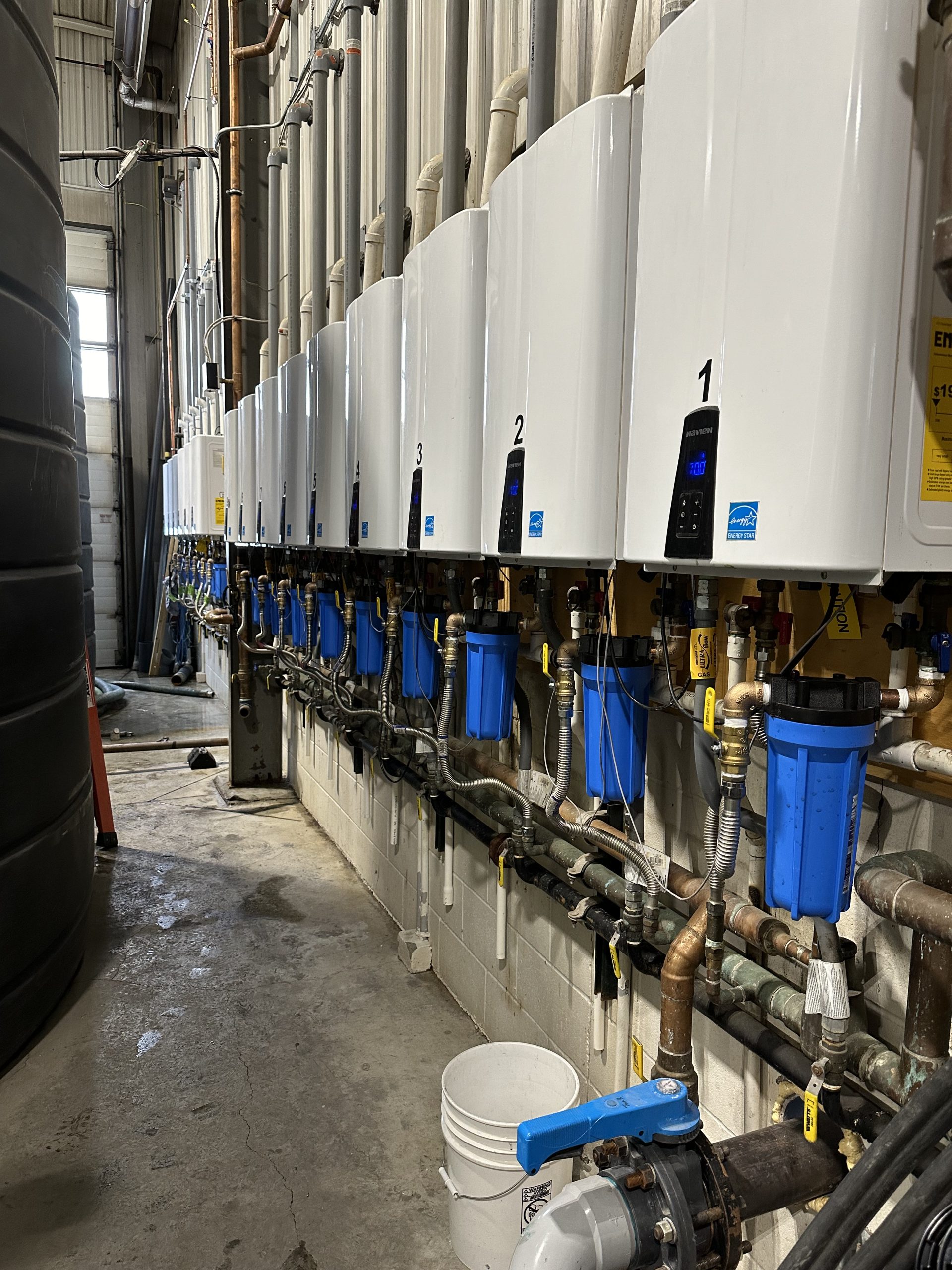
Additionally, the type of pipe materials used in your plumbing system can influence the nature of blockages. Older homes with cast iron or galvanized steel pipes may be more susceptible to rust and corrosion, leading to reduced pipe diameter and increased likelihood of clogging.
In contrast, modern homes typically utilize PVC or copper pipes, which are less prone to corrosion but can still experience blockages due to foreign objects or improper waste disposal.
It is essential to inspect pipes and drains regularly, identifying any potential issues before they escalate. By understanding these common culprits and the role of pipe materials, homeowners can better manage and prevent future drain blockages, ensuring a smoothly functioning plumbing system.
Gather Necessary Tools
Understanding the common causes of drain blockages paves the way for effective solutions, starting with having the right tools on hand. Ensuring you are well-equipped is a fundamental aspect of plumbing basics, facilitating efficient and safe unclogging processes. Essential tools not only streamline the task but also prevent further complications, such as pipe damage, which could arise from inappropriate techniques or materials.
| Tool | Purpose | Maintenance Tips | |----------------|----------------------------------------|---------------------------------| | Plunger | Dislodge simple blockages | Keep rubber clean and pliable | | Drain Snake | Reach clogs deep within pipes | Clean after each use | | Bucket | Collect water overflow | Rinse and dry to prevent rust | | Rubber Gloves | Protect hands from contaminants | Inspect for tears regularly | | Pipe Wrench | Loosen or tighten pipe connections | Lubricate moving parts |
Incorporating these tools into your maintenance routine helps address minor clogs promptly. For instance, a plunger is effective for dislodging superficial clogs, while a drain snake is indispensable for deeper, stubborn blockages. Understanding plumbing basics also entails knowing how to maintain these tools, ensuring they remain functional over time. Adopting these maintenance tips will aid in preserving their efficacy, ultimately safeguarding your plumbing system from unnecessary wear and tear.
Use Boiling Water
One effective and straightforward method to tackle minor drain clogs is the use of boiling water. The primary advantage of this approach lies in its simplicity and cost-effectiveness. Boiling water can help dissolve or loosen the substances causing the obstruction, making it easier for them to be flushed away. This method is particularly beneficial for minor blockages caused by grease, soap, or other soluble materials.
To implement this strategy, first verify the sink or tub is free of standing water. Next, heat a pot of water until it reaches a rolling boil. Carefully pour the boiling water directly into the drain in two or three stages, allowing a brief pause between each pour to let the hot water work its way through the clog. The boiling benefits of this method may be observed almost immediately, as the hot water helps break down the clogging materials.
However, it is essential to adhere to safety precautions. Always handle boiling water with care to avoid scalding, and be cautious of the type of pipes in your home. Older or PVC pipes may not withstand extreme temperatures, so assess compatibility before proceeding.
Try Baking Soda and Vinegar
Among the various home remedies for unclogging drains, the combination of baking soda and vinegar stands out due to its natural and chemical-free approach. This method leverages the baking soda benefits and vinegar properties to create an effective solution for clearing minor drain blockages. Baking soda acts as a mild abrasive and deodorizer, breaking down grime and neutralizing odors. Vinegar, known for its acidic nature, reacts with baking soda to produce carbon dioxide, which helps dislodge debris.
To implement this method, start by pouring a cup of baking soda down the clogged drain. Follow this with a cup of vinegar, which will lead to a fizzing reaction essential for breaking up the clog. Allow the mixture to sit for 15-20 minutes, then flush the drain with hot water to clear the residue. This method is gentle on pipes, making it a preferred option for those looking to maintain plumbing integrity.
Here is a simple table illustrating the process:
| Step | Action | |------|-----------------------------| | 1 | Pour 1 cup of baking soda | | 2 | Add 1 cup of vinegar | | 3 | Wait 15-20 minutes | | 4 | Flush with hot water |
This approach offers an eco-friendly and cost-effective solution for minor clogs.
Utilize a Plunger
When faced with a stubborn clog, a plunger can be an invaluable tool for resolving the issue without resorting to harsh chemicals. To effectively utilize a plunger, it is vital to understand the proper plunger techniques and guarantee correct positioning.
Begin by selecting the right type of plunger for your specific drain. A cup plunger is suitable for flat surfaces like sinks and bathtubs, while a flange plunger is ideal for toilets.
Proper positioning is essential; ensure that the plunger's rubber cup completely covers the drain opening to create a vacuum seal. Submerge the plunger cup in water to improve suction—this step is particularly important for sinks and tubs.
Once positioned, use firm, controlled movements to push and pull the plunger vertically. The goal is to dislodge the clog by creating pressure and suction.
Apply even pressure, maintaining a steady rhythm with about six to ten plunges. If the water begins to drain, you have likely cleared the obstruction. Test the drain by running water to confirm the clog's removal.
Should the blockage persist, reassess your plunger techniques and guarantee proper positioning before attempting again.
Deploy a Drain Snake
Should a plunger fail to resolve the clog, a drain snake offers an effective alternative for tackling more persistent blockages. This tool, also known as a plumber's snake, is a flexible auger designed to dislodge clogs deep within the plumbing system. It is essential to follow proper drain maintenance techniques to guarantee the longevity of your pipes while deploying a drain snake. Begin by inserting the snake into the drain, gently maneuvering it through the pipes. As you feel resistance, rotate the handle clockwise to break up the blockage.
When using a drain snake, plumbing safety must be a priority. Avoid applying excessive force that could damage the pipes. If unfamiliar with this tool, consider consulting a professional to prevent accidental harm to your plumbing system.
| Benefit | Consideration | |-------------------|--------------------------| | Clears deep clogs | Requires careful https://tmkplumbing.ca/hvac/ handling| | Cost-effective | May require practice | | Reusable tool | Not suitable for all clogs| | Minimal chemicals | Potential for pipe damage| | Easy availability | Time-consuming process |
Implementing these methods can enhance your drain maintenance strategy, reducing the likelihood of recurring issues. When applied correctly, a drain snake is an invaluable tool in maintaining free-flowing plumbing lines without compromising on safety.
Prevent Future Clogs
To guarantee the ongoing efficiency of your plumbing system, it is essential to adopt preventative measures that minimize the risk of future clogs.
Regular maintenance and proper disposal practices are pivotal in ensuring that your drains remain clear and fully functional. By implementing a few strategic steps, you can greatly reduce the likelihood of obstructions in your pipes.
Regular Maintenance: Schedule periodic inspections by a professional plumber to assess the condition of your plumbing system. This proactive approach can help identify potential issues before they develop into serious clogs.
Proper Disposal: Avoid disposing of grease, oils, and large food particles down the kitchen sink. Use a strainer to catch debris and dispose of it in the trash instead. This simple practice can prevent troublesome build-ups.
Install Drain Covers****: Utilize drain covers or screens in bathroom sinks and showers to catch hair and soap scum. These inexpensive devices can reduce the amount of material entering your pipes.
Hot Water Flushes: Regularly pour hot water down your drains to dissolve any accumulated grease or soap residue. This can help maintain unobstructed water flow and minimize the risk of clogs forming.
Conclusion
In the domain of household maintenance, unclogging a drain without inflicting harm upon the pipes resembles a delicate dance, where each step must be executed with precision. By first identifying the villainous blockage, and then assembling the necessary arsenal of tools, one can employ methods such as boiling water, the chemical reaction of baking soda and vinegar, the forceful persuasion of a plunger, or the serpentine advance of a drain snake. These strategies, when applied with forethought, guarantee the continued flow of life's essential currents, while safeguarding against future disruptions.